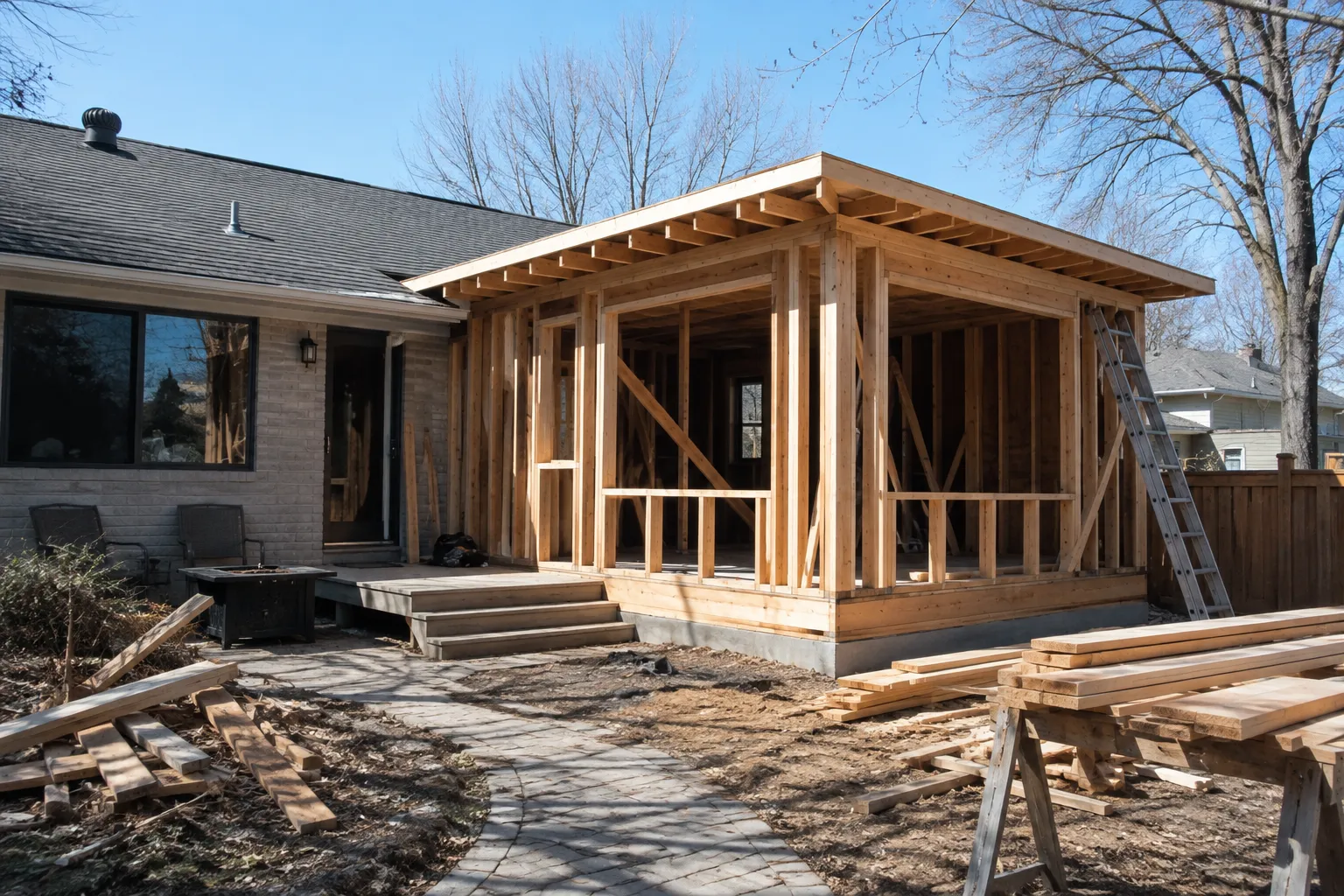
Choosing a contractor for a major home renovation requires more than comparing estimates or looking at finished photographs. Structural changes, major layout reconfiguration, additions and whole-home renovations require careful planning, coordination and a clear understanding of who is responsible for each part of the work.
When looking for a general contractor Ottawa homeowners can rely on for a substantial renovation, focus on experience with projects of similar complexity, a clearly defined scope of work and an organized approach to construction.
Look for Experience With Projects Similar to Yours
Not all renovation experience is the same.
A contractor who primarily completes cosmetic updates may not have the same experience as a renovation contractor managing structural alterations, extensive demolition, major layout changes or additions.
Ask about projects similar to yours in size or complexity. Relevant experience may include:
- Whole-home renovations
- Structural modifications
- Major layout reconfiguration
- Second-storey additions
- Rear or side additions
- Foundation and framing work
- Major electrical, plumbing or HVAC changes
- Renovations of older or character homes
Home additions, for example, require very different planning from replacing finishes within an existing room because the work may involve foundations, structural connections, exterior walls, roofing, servicing and municipal approvals.
When reviewing projects, look beyond attractive finishes. Pay attention to whether the contractor has completed substantial transformations, structural work and projects with challenges comparable to your own.

Make Sure the Scope Is Clear Before Construction Starts
One of the most important parts of a major renovation is establishing exactly what work is included.
A proper scope may identify demolition, structural work, framing, electrical and plumbing changes, materials, finishes, cleanup and the responsibilities of the homeowner, contractor and outside professionals.
You should understand:
- What is included in the quoted price
- What is specifically excluded
- Which materials are fixed selections and which are allowances
- Who purchases materials
- How additional work will be priced
- How changes will be approved
- How changes may affect the schedule
Before committing to a major renovation project, it can also be useful to understand the existing condition of the property. Visible structural concerns, moisture, aging building systems or other existing conditions may affect the design, budget or construction approach.
Ask Who Coordinates Design, Engineering and Permits
Major renovations often involve more than the construction crew.
Depending on the project, structural engineers, architects, designers, specialty trades and municipal inspections may all be required.
Ask your general contractor:
- Who prepares the drawings
- Whether engineering is required
- Who submits permit applications
- Who coordinates municipal inspections
- Who communicates technical decisions to the construction team
A contractor should be able to explain how these responsibilities fit into the overall renovation process.
Read also: How to Plan a Home Renovation Timeline Step by Step

Understand How Unexpected Conditions Are Handled
Existing houses can contain conditions that are impossible to fully evaluate before construction begins.
Once walls, ceilings or floors are opened, the contractor may discover deteriorated framing, previous modifications, outdated wiring, plumbing issues or other conditions that were not visible during the initial assessment.
The important question is not whether something unexpected can occur. It is how the contractor deals with it.
Before signing an agreement, understand how an unexpected condition will be documented, how available options will be explained, when additional pricing will be provided and who must approve the work before it proceeds.
The same applies when the homeowner requests a change after construction has started.
Ask How the Project Will Be Managed
Major renovations involve several trades and stages of work. Someone needs to coordinate them.
Before construction begins, determine:
- Who will be your main point of contact
- Who supervises the site
- Who coordinates trades and deliveries
- How progress will be communicated
- How completed work is reviewed
- How outstanding items are handled before final completion
A well-organized contractor should be able to explain these responsibilities clearly.
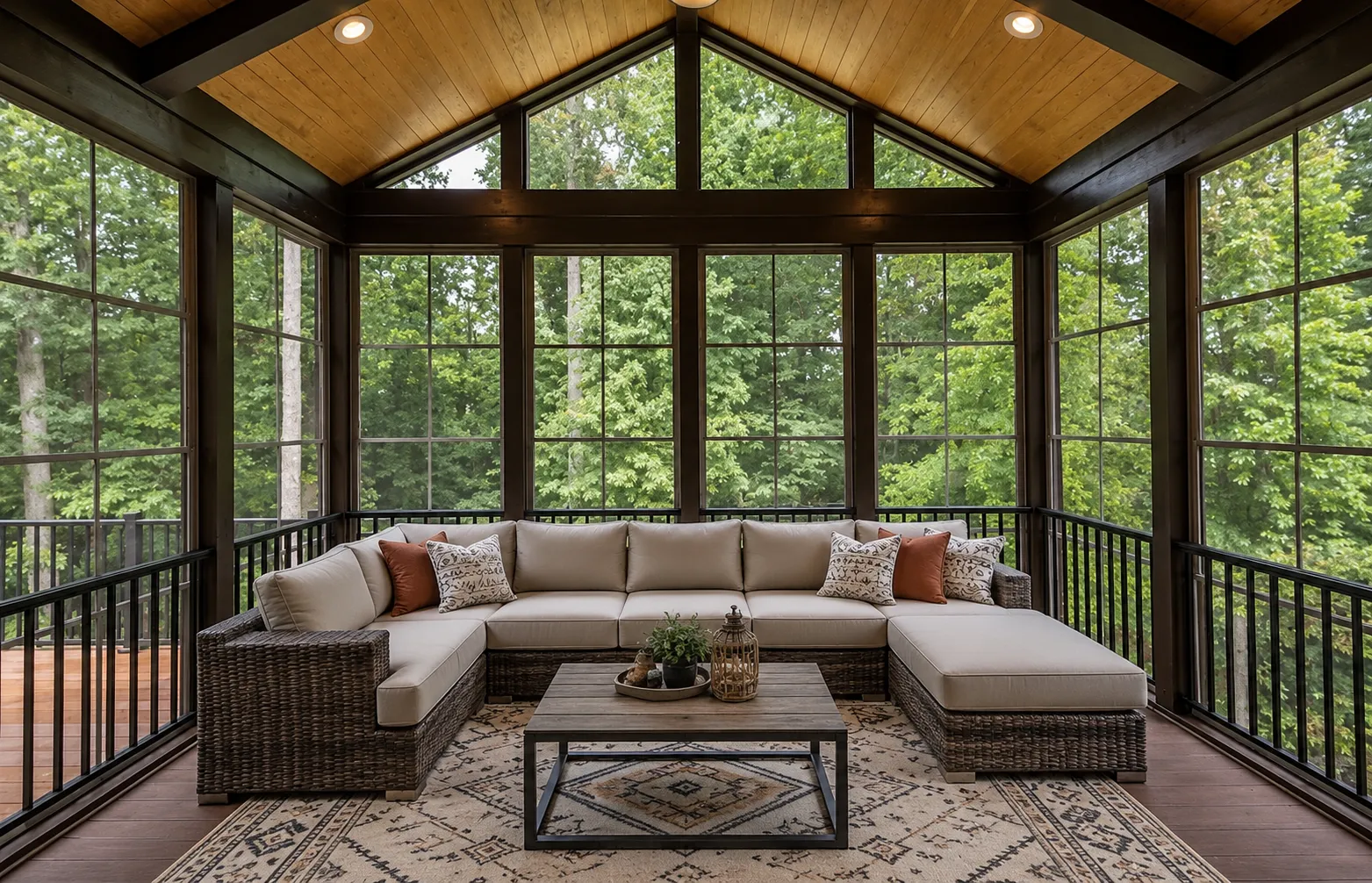
Planning a Renovation Through an Ottawa Winter
If you are planning construction in fall or winter, discuss the construction sequence before work begins.
Ottawa renovations can continue through winter, but weather can affect certain stages, particularly projects involving additions, roofing, foundations, exterior walls, windows and major structural openings.
Ask:
- When will the house be fully enclosed
- How will temporary openings be protected
- How will heating be maintained
- Which work is particularly weather-sensitive
- Whether exterior stages should be completed before colder weather
- How snow and freezing conditions could affect site access or scheduling
These questions are particularly important for major additions and structural renovations where parts of the existing building may temporarily be exposed.
Five Things to Clarify Before You Hire a Contractor
Before choosing a company, you should be able to answer five practical questions:
- What exactly is being built or changed?
- What is included in the proposed price?
- Who is responsible for drawings, engineering and permits?
- Who manages the project and communicates with you?
- What happens if the scope, cost or schedule changes?
A contractor who cannot answer these questions clearly before construction begins may not be the right fit for a complicated project.
IK Home Improvement provides home renovation services for homeowners planning major renovations, structural transformations, additions and other substantial construction projects in Ottawa. Our approach focuses on defining the work in advance, coordinating the people involved and keeping responsibilities clear throughout construction.
This is the version I would send back to the agency. It keeps all nine required marketing terms, but the text around them is written for an actual homeowner rather than simply to accommodate keywords. It is also substantially shorter and more specific than the agency’s original article, which repeatedly covered the same topics of scope, pricing, communication and change management.