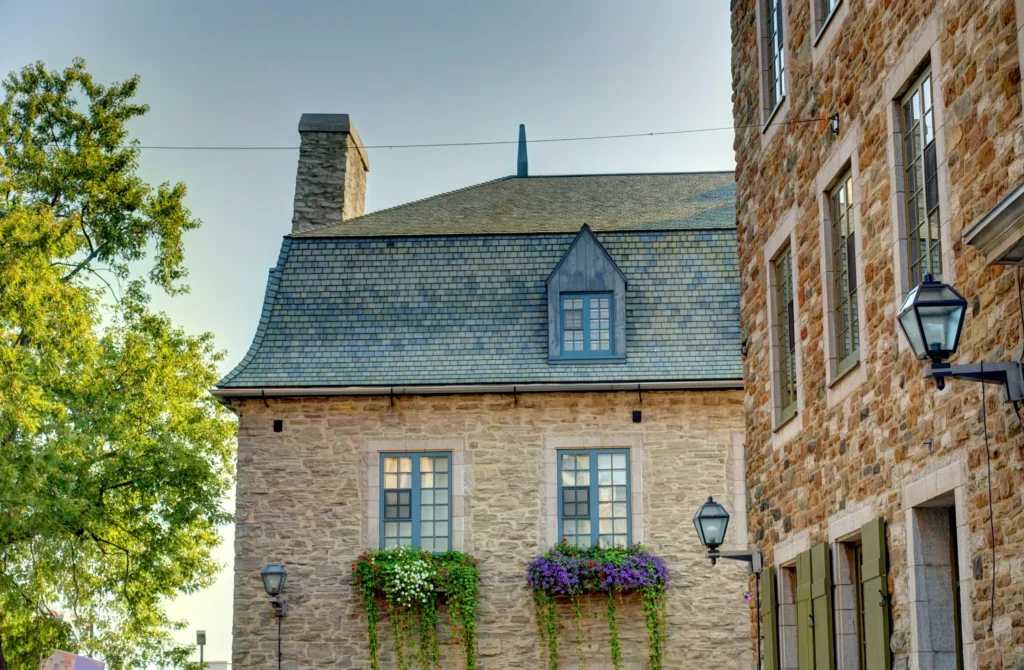
Renovating an older or heritage property requires more planning than a typical renovation. Before changing layouts or selecting finishes, homeowners should understand the condition of the house, its heritage status, and which original features should be preserved.
What Is a Heritage Home?
If you are researching what is a heritage home, it generally refers to a property recognized for architectural, historical or cultural significance.
Some Ottawa properties are individually designated, while others are located within a Heritage Conservation District. An older house, however, is not automatically a designated heritage property.
Before planning major work, confirm the property’s status and whether specific architectural features are protected.
Assess the House Before Designing the Renovation
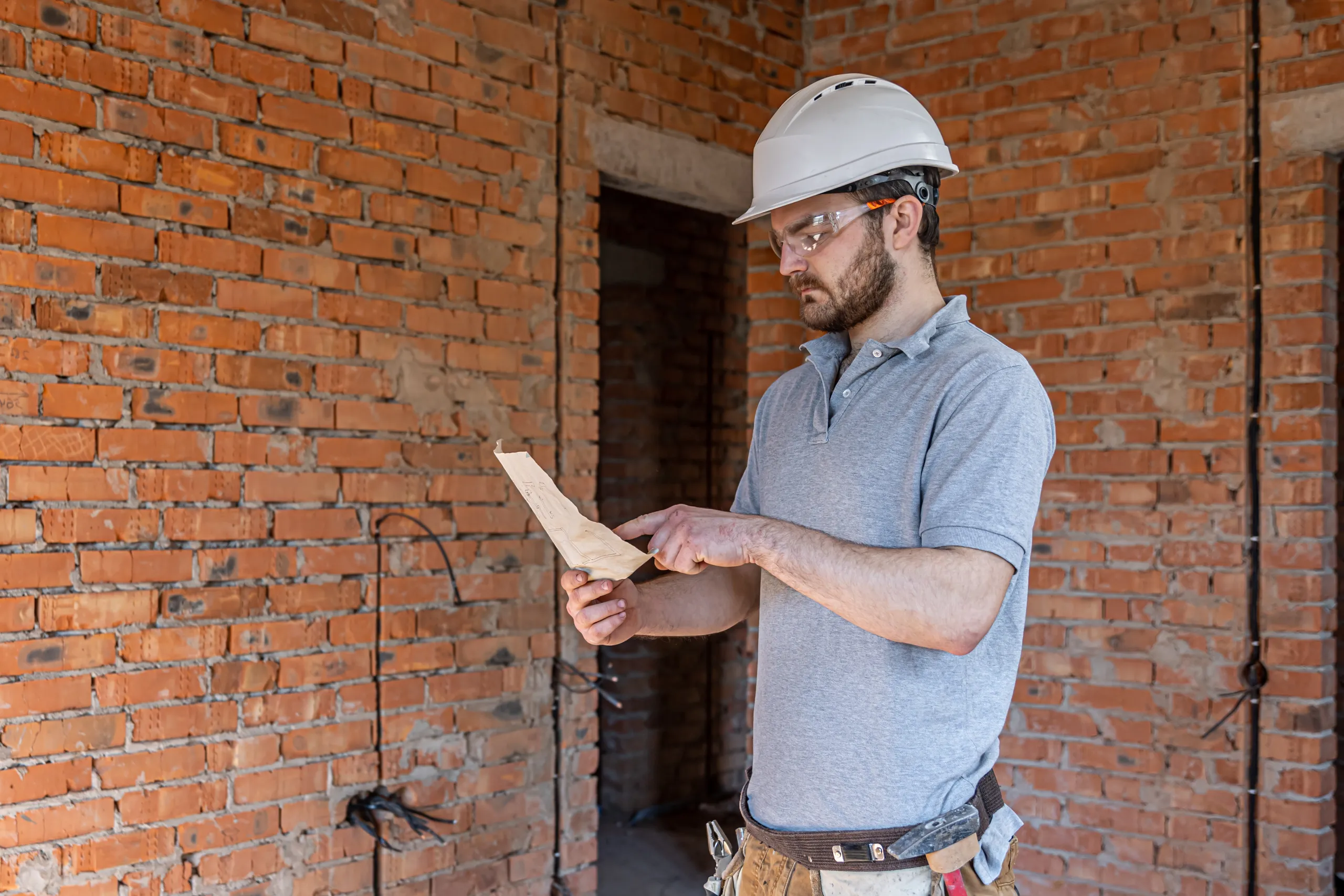
Older homes can contain conditions that are not immediately visible. Before finalizing the renovation, review the condition of:
- Foundation and structural framing
- Roof and masonry
- Electrical and plumbing systems
- Heating, cooling and ventilation
- Moisture and drainage
- Insulation
- Windows, doors, flooring and original trim
Previous renovations can also affect the structure or building systems. Identifying these conditions early helps establish a more realistic scope and budget.
Know What Requires Approval
Depending on the property and proposed work, you may need a building permit, heritage approval or both.
Changes to additions, rooflines, masonry, windows, porches or other protected architectural features may require additional review.
These requirements should be confirmed before drawings and material selections are finalized.
Preserve What Matters and Modernize What Does Not
A heritage renovation does not mean keeping everything unchanged.
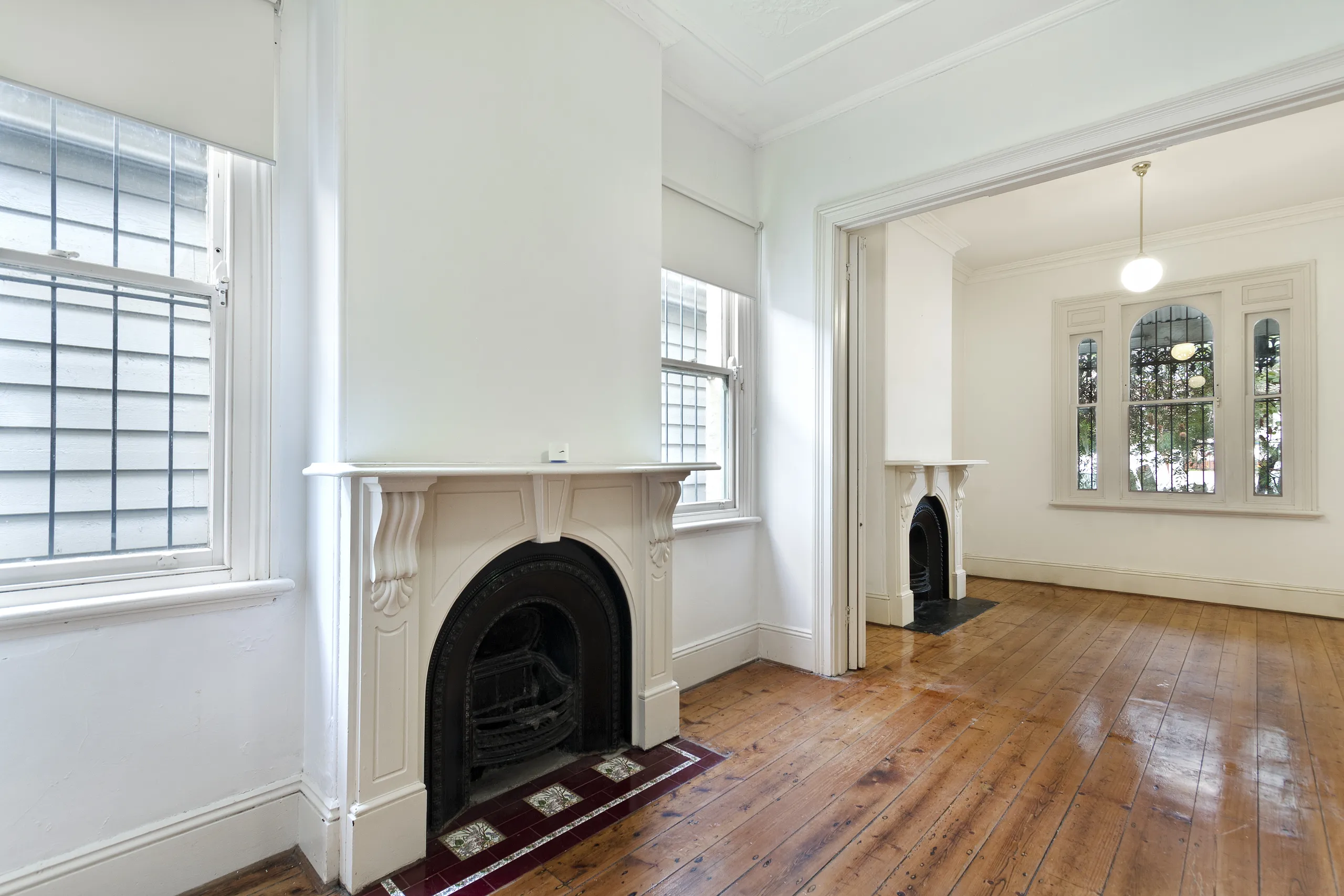
Original flooring, masonry, doors, mouldings and decorative woodwork may be worth repairing or reproducing, while electrical, plumbing, HVAC, insulation, kitchens and bathrooms can usually be modernized.
Well-planned heritage renovations preserve the features that give the property its character while improving safety, comfort and functionality.
Expect Some Unknowns
Once walls or ceilings are opened, an older home may reveal deteriorated framing, outdated wiring, moisture damage, old plumbing or previous construction that requires correction.
The important issue is how these discoveries are handled. The contractor should explain the problem, available options, cost implications and any effect on the schedule before additional work proceeds.
An experienced general contractor should also be able to coordinate the appropriate trades and professional specialists when required.
Read also: How to Choose a Renovation Company in Ottawa
Plan the House as One Project
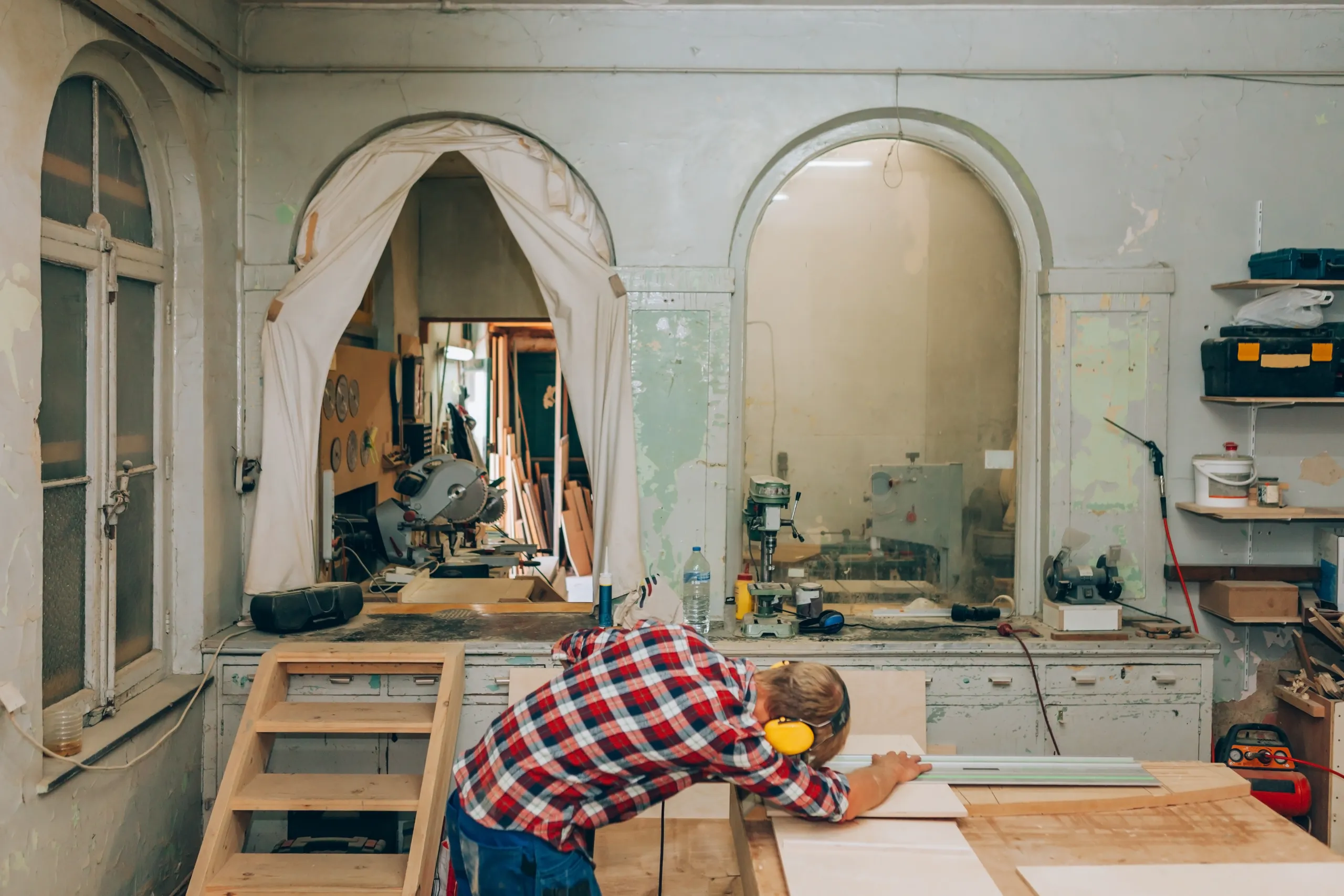
For larger renovations, structural work, building systems and interior improvements should be planned together.
A coordinated home renovation can help avoid situations where newly completed work must later be altered to accommodate electrical, plumbing, HVAC or structural changes.
Before construction begins, make sure you understand:
- The property’s heritage status
- Which features should be preserved
- The condition of the existing structure and systems
- Which elements will be repaired, replaced or modernized
Frequently Asked Questions
Do heritage renovations require special permits in Ottawa?
They may. Depending on the property’s designation and the scope of work, you may need a building permit, heritage approval, or both. It is best to confirm the requirements before finalizing the renovation plans.
Can you renovate the inside of a heritage home?
In many cases, yes. Interior renovations are often possible, but certain original features may still be protected. The level of flexibility depends on the individual property and its heritage designation.
Are heritage homes more expensive to renovate?
They can be, especially when the project involves specialty trades, custom millwork, masonry restoration, or hidden structural issues. A detailed inspection and clear project scope can help reduce unexpected costs.
Can you add modern features to a heritage home?
Yes. Many homeowners incorporate modern kitchens, bathrooms, lighting, heating, cooling, and energy-efficiency upgrades while keeping the architectural character of the home intact.
How do I choose a contractor for a heritage renovation?
Look for a contractor with experience working on older or designated properties. They should understand how to coordinate restoration work, modern building systems, permits, and specialized trades within one renovation plan.